

Porcelain Veneers vs. Composite Bonding: The Complete Smile Makeover Guide
A comprehensive clinical comparison of porcelain veneers and composite bonding to help you choose the ideal treatment for your smile goals, timeline, and longevity.

Book Consultation
Fill details below to request a call back
1. Overview & Fundamentals
Achieving your ideal smile is one of the most rewarding aesthetic investments you can make. Whether you are looking to correct minor chips, close gaps, or completely transform the shade and symmetry of your teeth, both Porcelain Veneers and Composite Bonding offer transformative outcomes.
However, these two popular cosmetic dental treatments differ significantly in material composition, application technique, longevity, investment cost, and enamel preparation. Understanding these core differences is essential to choosing the treatment that best aligns with your lifestyle and expectations.
2. Understanding Porcelain Veneers
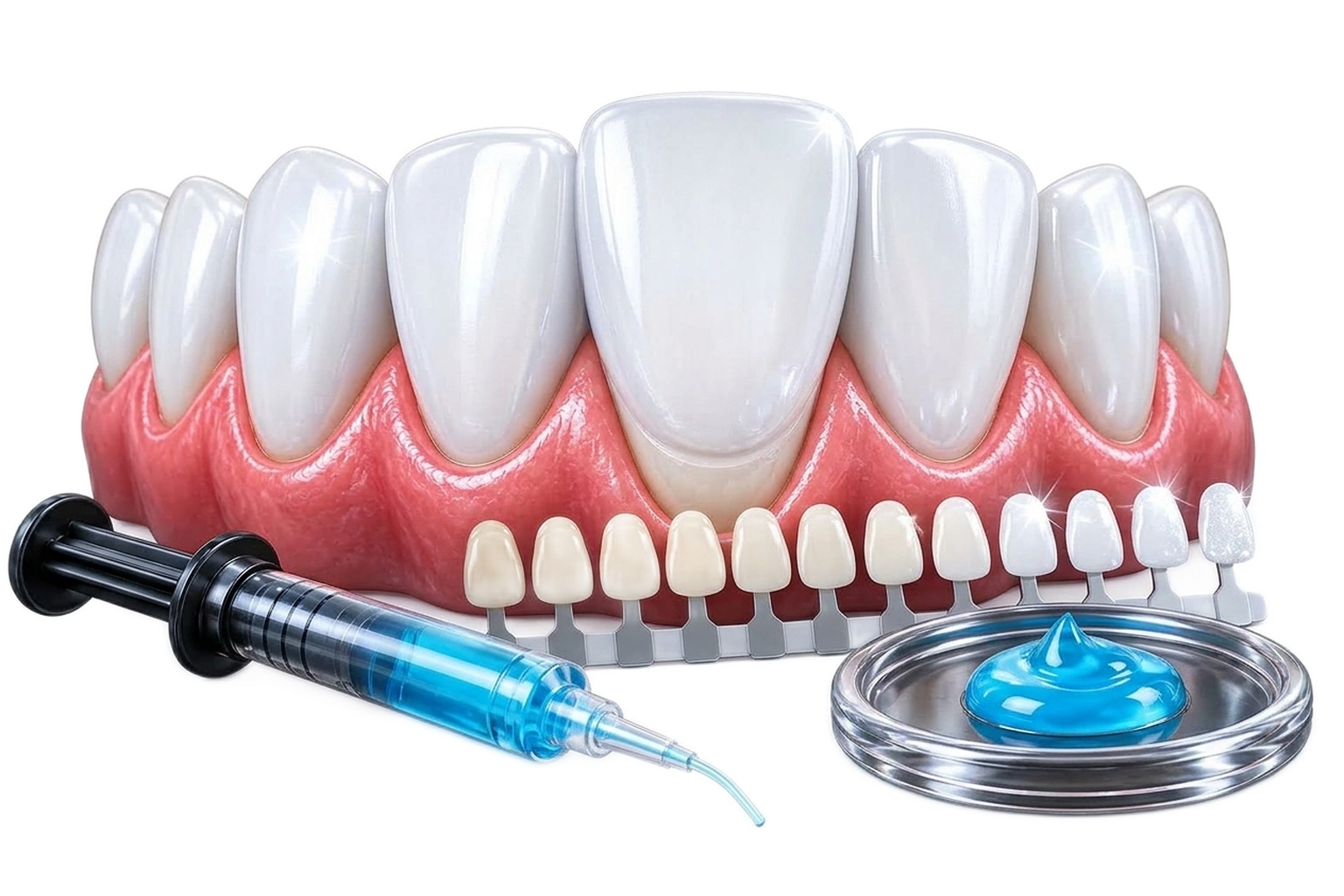
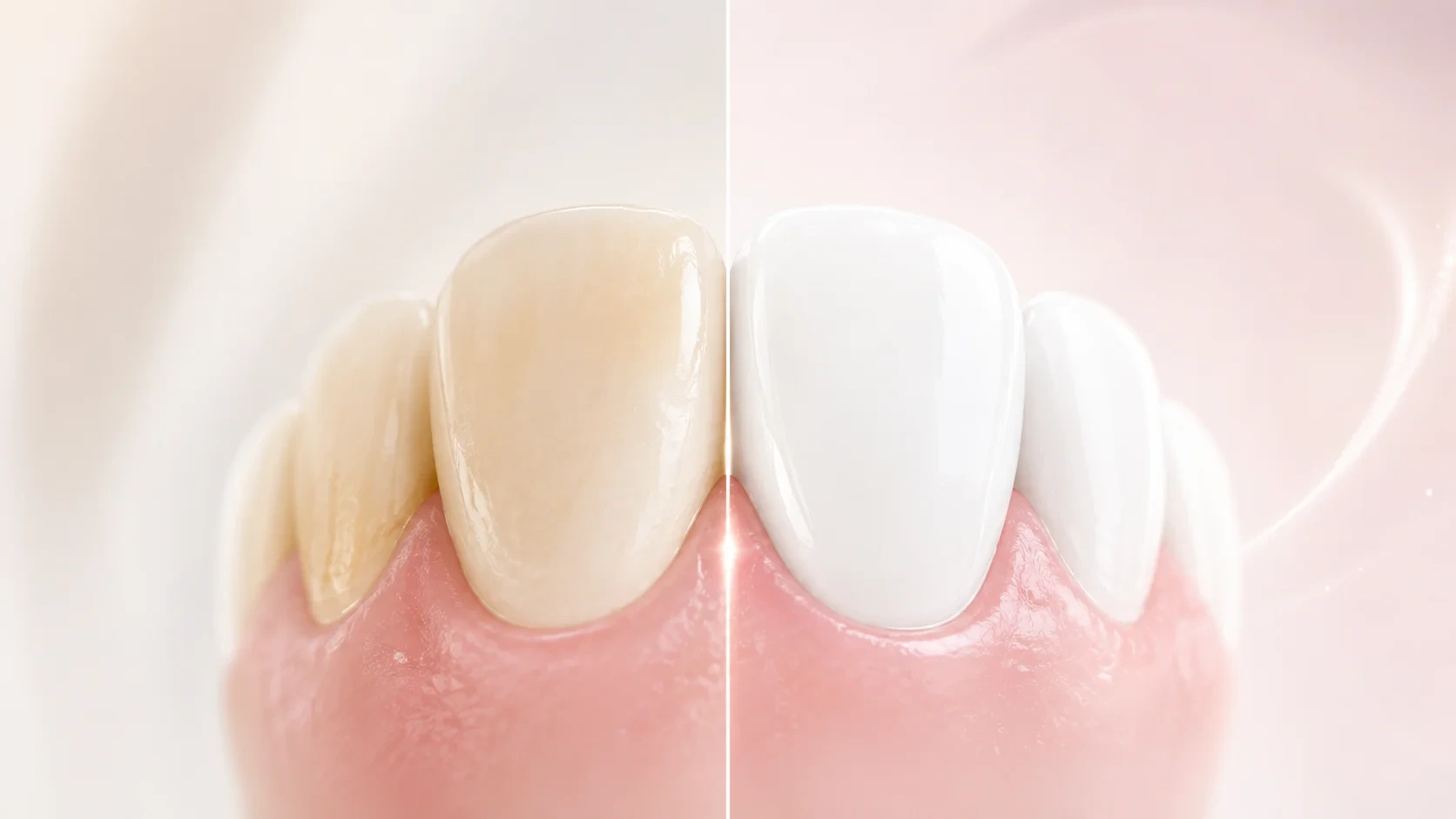
Porcelain veneers are ultra-thin, custom-crafted ceramic shells engineered to fit perfectly over the front surface of your teeth. Handcrafted by master dental ceramists, porcelain mimics the translucent light-reflecting qualities of natural tooth enamel better than any other restorative material.
Key Advantages of Porcelain Veneers:
- Unrivaled Aesthetics: Multi-layered ceramics deliver microscopic depth and natural translucency.
- Stain Resistance: Glazed porcelain is non-porous, remaining completely resistant to coffee, tea, and red wine stains.
- Superior Durability: Engineered to last 15 to 20+ years with proper oral care.
- Complete Uniformity: Ideal for masking severe discoloration, fluorosis, or irregular tooth alignment.
3. Understanding Composite Bonding
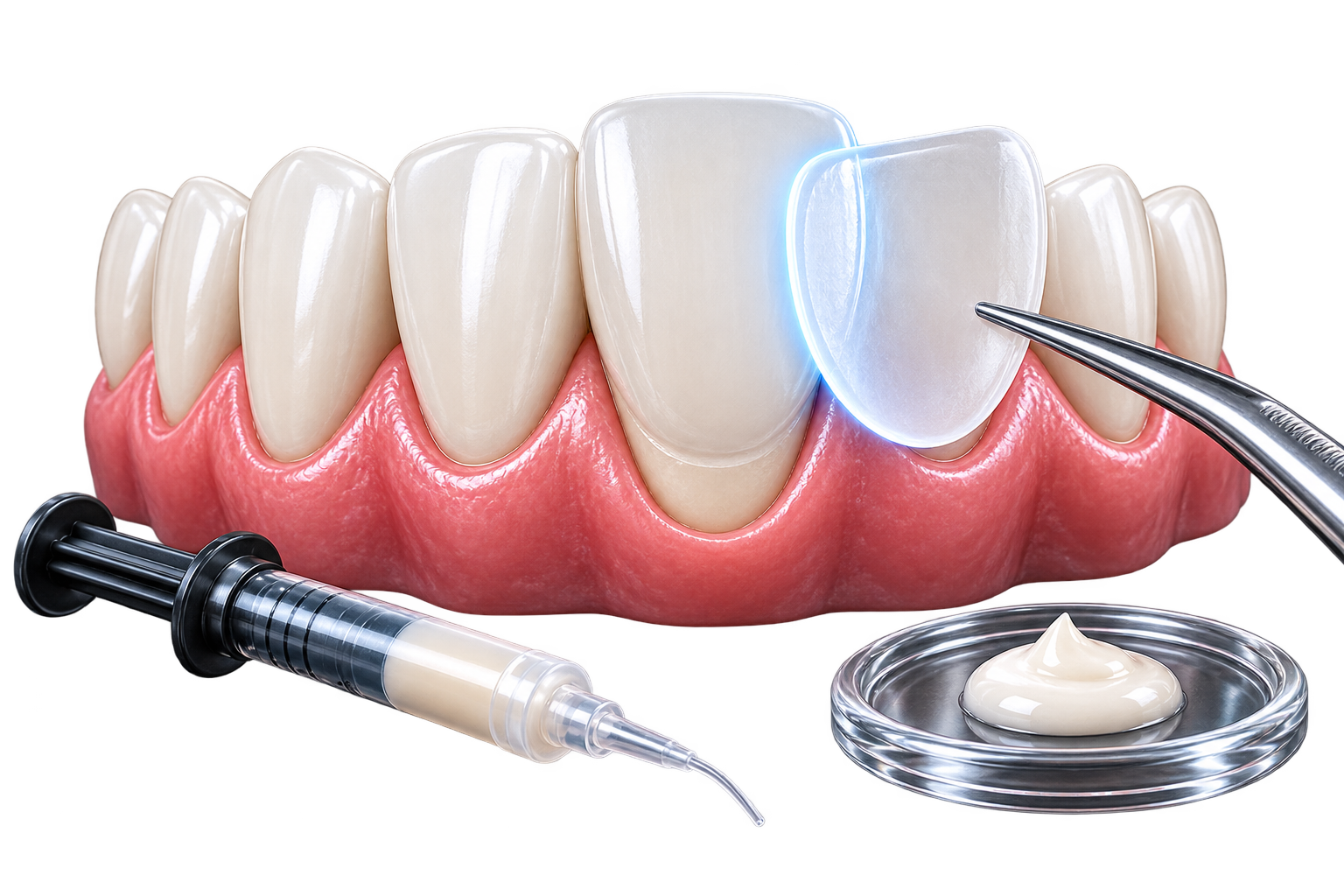
Composite bonding involves applying a specialized tooth-colored resin directly onto the surface of the tooth. Dr. Aarti Kohli Jain expertly sculpts, shapes, and hardens the resin using high-intensity curing lights in a single clinic appointment.
Key Advantages of Composite Bonding:
- Single Visit Completion: Walk out with a transformed smile in under 2 hours.
- Minimal Enamel Alteration: Additive technique requiring little to no natural enamel removal.
- Easily Repairable: If chipped, composite resin can be restored quickly in office.
- Cost-Effective: Lower initial cost compared to laboratory-crafted ceramic veneers.
4. Side-by-Side Comparison
| Feature | Porcelain Veneers | Composite Bonding |
|---|---|---|
| Treatment Time | 2 Visits (7-10 Days Apart) | 1 Single Visit (Same Day) |
| Expected Lifespan | 15 – 20+ Years | 5 – 7 Years |
| Stain Resistance | 100% Non-Porous (Stainproof) | Moderate (May absorb over time) |
| Enamel Reduction | Micro-Thin Prep (0.3mm - 0.5mm) | Zero to Minimal Prep |
5. Which Treatment Is Right For You?
If you seek long-lasting perfection, superior stain resistance, and a permanent solution for full-smile symmetry, Porcelain Veneers are the gold standard.
If you prefer a non-invasive, immediate fix for minor imperfections, small gaps, or worn edges without altering your natural enamel structure, Composite Bonding is a brilliant choice.
6. Maintenance & Aftercare
Regardless of your choice, maintaining your new smile requires good daily oral hygiene. Brush twice daily with non-abrasive toothpaste, floss regularly, and attend professional hygiene cleans every six months at IKIGAI Studio.
Frequently Asked Questions
This patient guide has been reviewed by Dr. Aarti Kohli Jain to ensure complete clinical accuracy and alignment with GDC & CQC healthcare standards.
Related Clinical Articles
View All Articles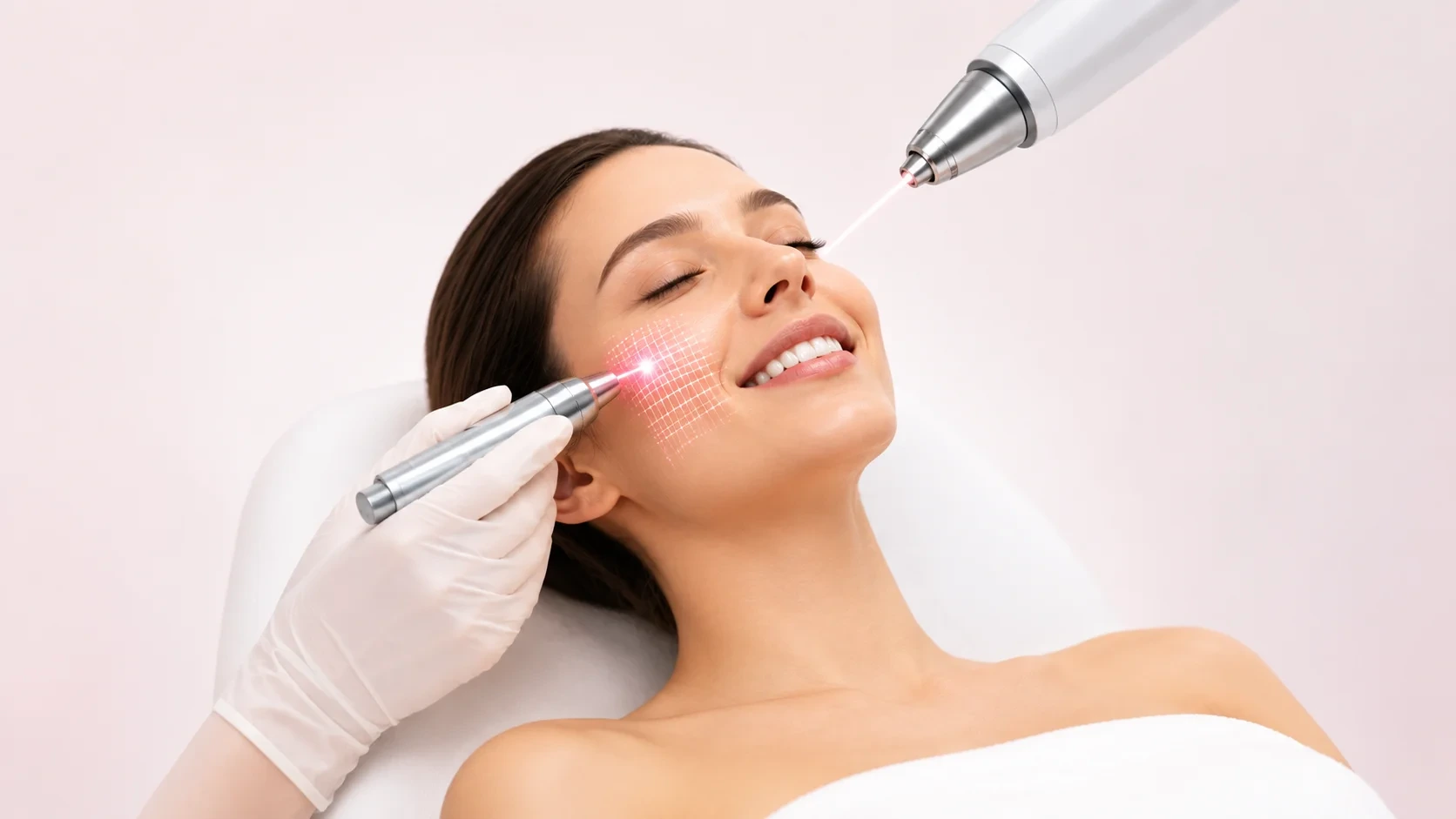
Pain-Free Dental & Skin Laser Treatments: 2026 Clinical Innovations
Discover how modern 3D laser technology eliminates dental anxiety, drill vibration, and needles while accelerating healing for gum and skin procedures.
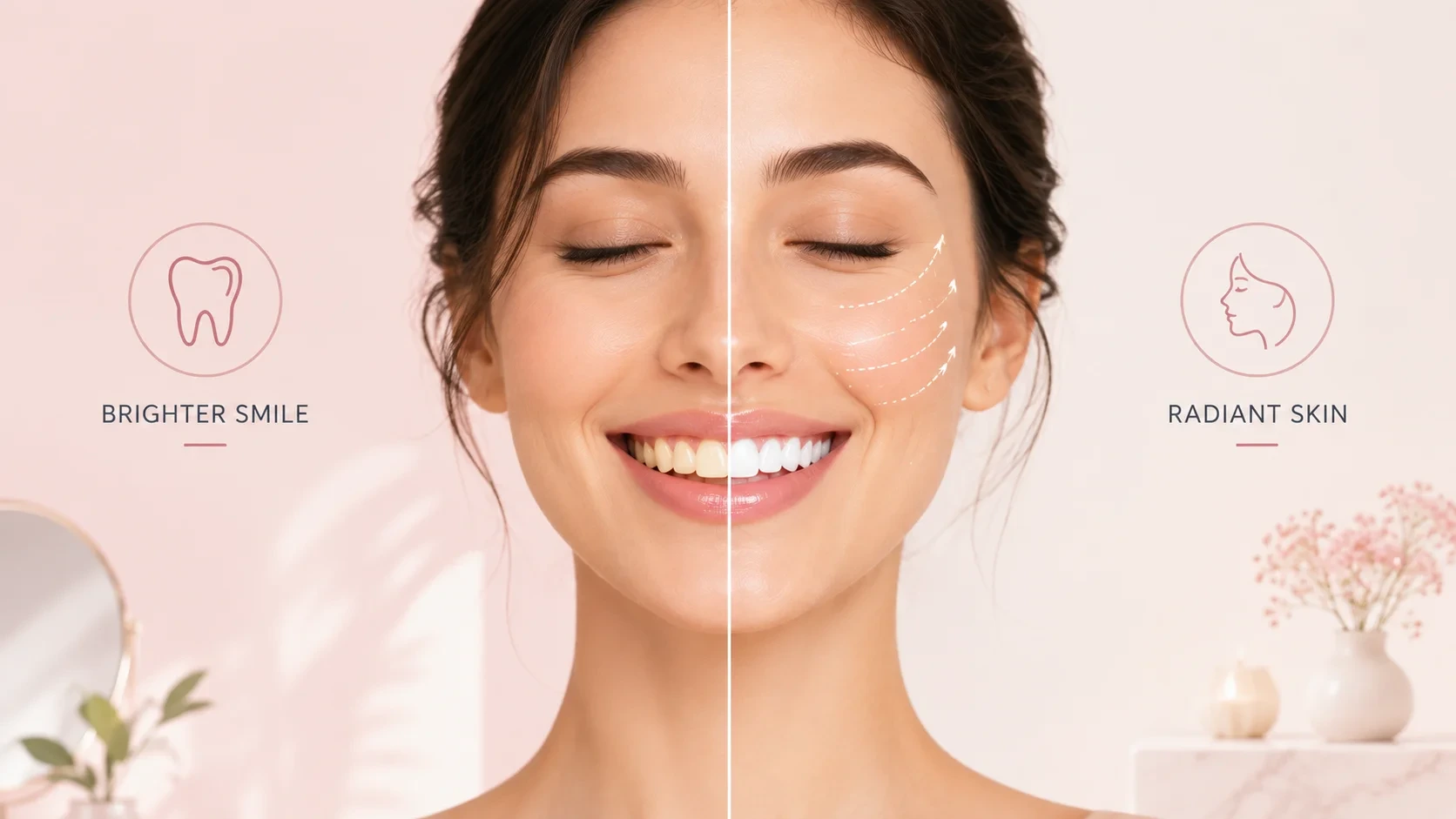
Combining Teeth Whitening & Skin Aesthetics for Facial Balance
How matching professional teeth whitening with skin rejuvenation creates a naturally balanced, glowing, and younger facial appearance.
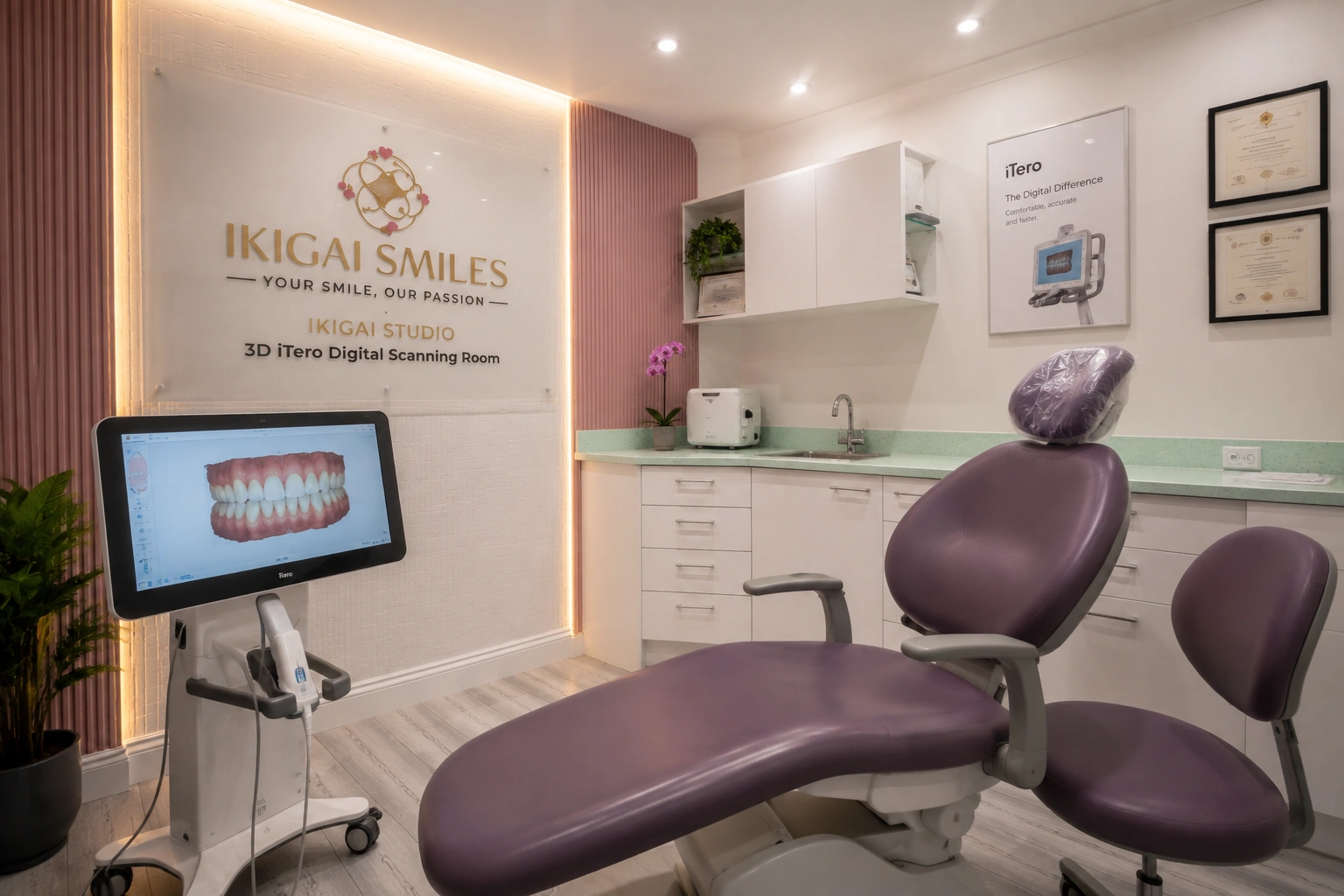
Invisalign Clear Aligners: The Ultimate Adult & Teen Orthodontic Guide
Everything you need to know about discreet orthodontic straightening, 3D iTero digital simulations, treatment timelines, and daily aligner care.