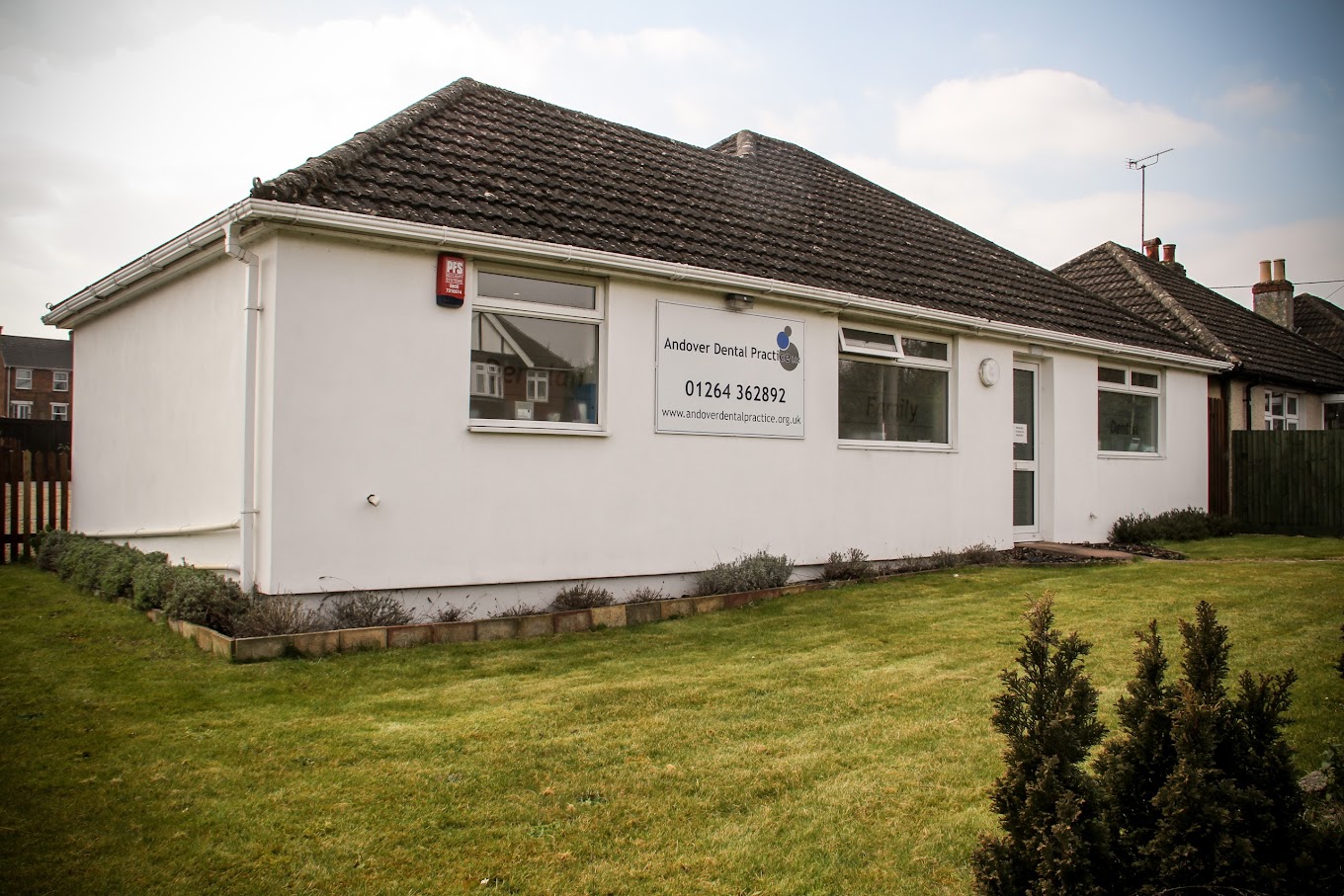
Our award-winning, well-established practice is situated in a lovely residential area that is within walking distance from the Andover Railway station, with free parking in the surgery’s car park for your total convenience.
Any dental emergency, like an injury to the teeth or gums can be potentially serious and should not be ignored.
Ignoring a dental problem can increase the risk of permanent damage as well as the need for more extensive and expensive treatment later on. Below you will find summary advice of what to do for some common dental problems...
In all cases, please book an emergency appointment or contact us as quickly as possible.
First, thoroughly rinse your mouth with warm water. Use dental floss to remove any lodged food.If your mouth is swollen, apply a cold compress to the outside of your mouth or cheek. Never put aspirin or any other painkiller against the gums near the aching tooth because it may burn the gum tissue. See your dentist as soon as possible.
Save any pieces you can find. Rinse your mouth using warm water together with any broken pieces.
If there's bleeding, apply a piece of gauze to the area for about 10 minutes or until the bleeding stops. Apply a cold compress to the outside of the mouth, cheek, or lip near the broken/chipped tooth to keep any swelling down and relieve pain.
Retrieve the tooth, hold it by the crown (the part that is usually exposed in the mouth) and rinse off the tooth root with water if it's dirty. Do not scrub it or remove any attached tissue fragments. If possible, try to put the tooth back in place. Make sure it's facing the right way. Never force it into the socket. If it's not possible to reinsert the tooth in the socket, put the tooth in a small container of milk (or cup of water that contains a pinch of table salt, if milk is not available) or a product containing cell growth medium, such as Save-a-Tooth.
Knocked out teeth with the highest chances of being saved are those seen by the dentist and returned to their socket within 1 hour of being knocked out.
Contact us right away. Until you can get to the Practice, to relieve pain, apply a cold compress to the outside of the mouth or cheek in the affected area.
Take an over-the-counter pain relief if needed.
First, try using dental floss to very gently and carefully remove the object. If you can't get the object out, see your dentist. Never use a pin or other sharp object to poke at the stuck object. These instruments can cut your gums or scratch your tooth surface.
As a temporary measure, stick a piece of sugarless gum into the cavity (sugar-filled gum will cause pain) or use an over-the-counter dental cement.
If a crown falls off, make an appointment to see us as soon as possible and bring the crown with you. If you can't get to us right away and the tooth is causing pain, use a cotton swab to apply a little clove oil to the sensitive area (clove oil can be purchased at your local chemist or in the spice aisle of your supermarket).
If possible, slip the crown back over the tooth. Before doing so, coat the inner surface with an over-the-counter dental cement, toothpaste, or denture adhesive, to help hold the crown in place. Do not use super glue!
If a wire breaks, cover the end with orthodontic wax, a small cotton ball, or piece of gauze until you can get to the Practice. Never cut the wire, as you could end up swallowing it or breathing it into your lungs.
If a bracket comes away from your tooth during treatment, please contact the practice. Usually, the bracket will stay attached to the wire and can be left until your next appointment unless causing irritation. If the bracket does come away from the wire please keep it safe and bring it with you to your next appointment.
Abcesses are infections that occur around the root of a tooth or in the space between the teeth and gums. Abcesses are a serious condition that can damage tissue and surrounding teeth, with the infection possibly spreading to other parts of the body if left untreated. Because of the serious oral health and general health problems that can result from an abcess, please contact us as soon as possible if you discover a pimple-like swelling on your gum that usually is painful.
In the meantime, to ease the pain and draw the pus toward the surface, try rinsing your mouth with a mild salt water solution (1/2 teaspoon of table salt in 8 ounces of water) several times a day.
Injuries to the soft tissues, which include the tongue, cheeks, gums, and lips, can result in bleeding. To control the bleeding, here's what to do:

Our dental care membership scheme encourages regular attendance, enabling us to spot problems before they arise and results in helping you maintain healthy teeth and gums for life.
Learn more